


Novel Effect: Read Aloud Books
4.1224.00 Reviews
App Specs
- Version
- 4.2.5
- Updated On
- License
- Free
- Downloads
- 100,000+
- Developer
- Novel Effect Inc.
- Categories
- Education
- Platform
- Android
Screenshots
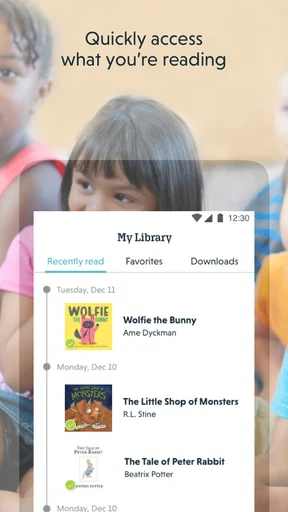
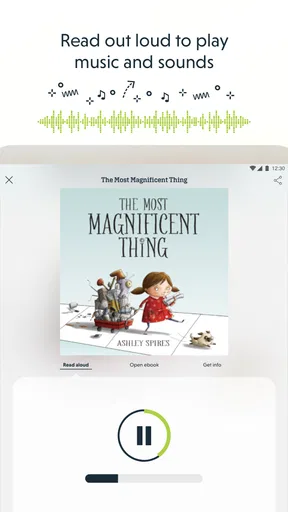
 Analysis by AppCompare
Reading aloud is usually a shared activity: one person holds the book, another listens, and everyone tries to stay inside the story. Novel Effect: Read Aloud Books adds a playful audio layer to that moment by responding while a physical story is being read. I found the idea most useful when an adult wants to keep children involved without turning reading time into a screen-heavy activity. The phone or tablet becomes a companion to the printed book rather than a replacement for it.
This is an education app from Novel Effect Inc., available free of charge and rated for Everyone. It has reached over 100K installs, with an average rating of 4.1 from roughly 1,000 ratings. Those figures suggest a real audience, but they also set the right expectation: this is a focused reading companion, not a complete digital library or a general learning platform.
How the reading experience works for different readers
I find the biggest difference between reading with Novel Effect and using a typical story app is that people can take part without all doing the same thing: one person reads, another follows the pictures, and someone else simply listens. That flexibility can make a shared story feel less demanding for children with different attention or sensory preferences. Next, I’ll look at how those roles can shift in practice and what to consider when choosing a reading setup.
Readable navigation and a low-pressure starting point
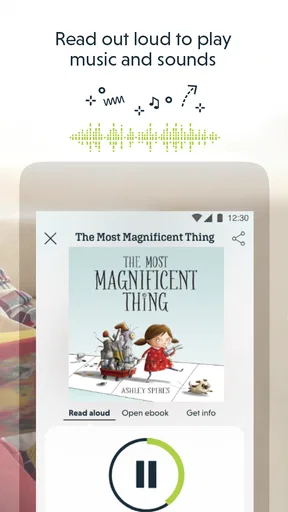
The appeal becomes clear as soon as I think about the intended routine. You open the app, choose a compatible story, place the device near the book, and begin reading aloud. The child can look at the illustrations and printed words while the app adds sound effects, music, or character reactions at suitable moments. That division of attention matters. A child does not have to navigate a complicated lesson before enjoying the story.
For a parent, teacher, or caregiver, the main advantage is that the activity remains recognizable. You are still turning pages and controlling the pace. The app does not ask the child to read tiny instructions, solve menus, or understand a reward system before the story can begin. In my experience, that makes it easier to introduce during a bedtime routine, a classroom reading corner, or a short one-to-one session.
There is also a useful difference between this approach and an ordinary audiobook. An audiobook can be excellent for independent listening, but it separates the voice from the physical book. Novel Effect works best when the printed illustrations, the adult’s voice, and the app’s reactions are all present together. Children who lose interest during a plain read-aloud may pay closer attention when a familiar page produces a sound at the right moment.
That said, the experience depends on setting up the correct story and keeping the device positioned sensibly. This is not a completely hands-off tool. An adult may need to prepare the book, check that the selected experience matches it, and adjust the device if the room becomes noisy. I would treat that preparation as part of the reading ritual rather than expecting the app to organize everything automatically.
Worth Reading Before You Choose

EA SPORTS FC Mobile 26 Is a Bigger Football Game, but It Takes Time

Flipboard Shows What News Apps Must Do Beyond the Feed

Switching to Android Auto Means Rethinking Your Driving Routine

Google Calendar Makes a Crowded Week Easier to Manage

Ludo King Makes the Most of the Minutes Between Plans

Baby Panda World Brings Quick Play to Modern Phones, but Its Game Library Feels Busy
Why the printed book still matters
One of the strongest inclusive qualities is that the app does not force every participant to interact with the screen in the same way. A child can focus on the page, an adult can read, and another listener can simply enjoy the audio response. That gives families more flexibility than a conventional animated story app, where everyone is expected to watch the display.
This also helps children who benefit from multiple cues. The picture provides visual context, the spoken sentence supplies language, and the sound effect can mark an important action or mood. Those layers may make a story easier to follow for a child who struggles to maintain attention through voice alone. I would not describe the app as a therapy tool or assume it meets every learning need, but its combined format can support a more varied reading experience.
A practical tip is to let the child see the page before the effect arrives. If the adult rushes through the words while waiting for the app, the sound can become the focus and the book can fade into the background. I got more value from treating the effects as punctuation: read naturally, pause for the reaction, then ask the child what changed in the scene. That small habit turns a novelty into a conversation about characters, feelings, and cause and effect.
Motor and sensory considerations
Because the child can participate without tapping every page or button, the app may be easier to use for children who find precise touch gestures tiring or frustrating. The adult can handle the device while the child points at pictures, turns pages, or listens. This is a meaningful advantage over interactive reading apps that require repeated swipes, timed choices, or small controls.
It is not completely free of motor demands, though. Someone still has to open the app, select the reading experience, hold or place the device, and manage the physical book. A child reading alone may need help with that setup. Families should also think about the book itself: turning thick pages, keeping the book open, and positioning it near the device can be awkward for some readers. A stable surface or a second adult can make the session much more comfortable.
The sound design is central to the experience, so sensory preferences deserve attention. A child who enjoys sudden character noises and musical responses may find them motivating. Another child may find the same effects distracting, startling, or simply too busy. I recommend starting with a familiar, short book and watching the child’s reaction rather than assuming that more sound means more engagement.
Volume control and the room itself also matter. In a quiet bedroom, an effect can feel surprisingly prominent; in a lively classroom, it may disappear into background noise. Keeping the volume moderate helps preserve the adult’s voice as the main guide. If the child covers their ears, looks away, or stops following the page, I would pause the effects and continue the book normally. The app should support the reading relationship, not compete with it.
Visual access is similarly mixed. The printed book carries much of the visual information, which can be helpful for readers who prefer paper to a glowing screen. However, anyone relying on enlarged text, strong contrast, or a particular display arrangement will need to judge the physical book and device setup together. I would not assume that the app alone solves visual access needs. Its best contribution is the option to listen and participate without making every interaction screen-based.
A realistic everyday use case
Imagine a caregiver arriving home tired after work while a young child wants a story immediately. With a normal book, the adult may read in a flat voice because they have little energy left for acting. With Novel Effect ready beside the book, the child can receive extra atmosphere while the adult concentrates on clear reading and questions. The technology does not remove the need for the adult, but it can make a low-energy session feel more lively.
The same setup can work in a small preschool group, although the adult should test it before the children arrive. A device placed too far away may miss parts of the reading, while a device placed in the center may invite children to crowd around the screen. I would position it so the book remains the visual center and explain that the sounds are there to accompany the story. That arrangement is more inclusive for children who do not want to compete for a view of the display.
For a child who is learning English or building listening confidence, the app may add motivation to repeated reading. The same book can be read again with the child gradually predicting when a sound will occur or explaining why it fits the scene. The important benefit is repetition without making repetition feel like a worksheet. Still, the adult should slow down, define unfamiliar words, and invite the child to speak; the effects cannot replace language interaction.
Situational access: when it fits and when it does not
This app makes the most sense when a physical book is already part of the plan. It is a strong choice for shared reading at home, library-style story sessions, and adults who want children to experience books with a little theatrical energy. It can also be useful for a reluctant listener who responds well to sound and surprise but is not ready for a fully independent reading app.
It is less suitable when you need silent reading, a purely portable experience, or a child-controlled activity that works without an adult nearby. The app’s identity is tied to reading aloud, so it is not the obvious choice for someone looking for spelling drills, phonics lessons, writing practice, or a large on-screen catalog. A conventional audiobook may be better for a car journey, and an e-reader may be better when carrying paper books is inconvenient.
There is an important trade-off between stimulation and calm. During a long day, a child may appreciate a lively story; before sleep, the added sounds could keep some children alert. I would use the app earlier in the evening and switch to an ordinary quiet book when the goal is winding down. For classrooms, it may work best with small groups, because a large group can make it harder for every child to hear the adult and see the page.
Another useful workflow is to separate discovery from reading. First, choose the book and make sure everyone knows where to sit. Then begin the story without interrupting every few seconds to adjust the device. If the setup is unreliable in a particular room, keep the book and continue reading without the effects. That fallback is one reason I like the concept: the core activity remains valuable even when the digital layer is not ideal.
Remaining barriers and practical friction
The free price makes trying it easy, but the app includes optional in-app purchases ranging from $0.99 to $59.99 per item. I would pay attention during setup and browsing, especially when a child is holding the device. A free download does not necessarily mean every reading experience is included at no cost, so an adult should decide what the family is comfortable accessing before handing over control.
The current version is 4.2.5 and supports devices running at least iOS or Android 8.1, depending on the platform. Compatibility is therefore worth checking before planning a classroom activity around it. A reading session can lose momentum if the device is too old, the app needs attention at the last minute, or the adult has not tested the chosen experience.
Noise recognition is another practical consideration. Since the app responds to spoken reading, a room with several conversations, television audio, or constant movement may make the experience less predictable. I would use a reasonably quiet corner and keep the reader close enough to the device for clear speech. This is not a criticism of the reading idea itself; it is simply a reminder that sound-based interaction is affected by the environment.
Some readers may also prefer complete control over timing. A child who likes to stop and discuss every illustration can find triggered effects slightly out of step with the group’s rhythm. Conversely, a fast reader may move ahead of the response. The best results come when the adult treats the app as an accompaniment and is willing to ignore or work around a missed moment rather than breaking the story to chase perfect synchronization.
Families should think about privacy and comfort in ordinary device terms as well. The app needs to be part of a shared reading setup, so adults should supervise access just as they would with any child-focused application. I would avoid leaving the device unlocked after the session, particularly where purchases or unrelated apps are within reach. These habits are not unique to Novel Effect, but they matter because the intended audience includes young children.
How it compares with familiar alternatives
Compared with a standard audiobook, Novel Effect offers more connection to the page and more opportunity for a child to watch an adult read. The drawback is that it requires a physical book, a device, and a suitable reading environment. An audiobook wins on convenience and independent listening; this app wins when the goal is a shared performance around a real book.
Compared with an animated story app, it is less visually immersive and usually less self-contained. That can be a weakness for a child who wants a complete digital production, but it is a strength for parents trying to reduce passive screen watching. The printed illustrations remain central, and the adult remains the storyteller. I would choose the animated alternative when independent entertainment is the priority, and this app when participation and conversation matter more.
Compared with educational apps built around exercises, it offers a gentler form of learning. There are no drills to complete in the middle of the story, which may suit children who resist formal practice. On the other hand, it will not give the same direct structure for measuring progress in reading skills. If a teacher needs targeted phonics or vocabulary work, a dedicated literacy app is the better tool. Novel Effect is strongest as a bridge into stories, not as a replacement for instruction.
My inclusive verdict for shared reading
I recommend Novel Effect: Read Aloud Books to families and educators who want to make printed stories feel more interactive without handing the entire experience to a screen. Its most thoughtful quality is the way it lets different people participate differently: one person reads, another watches the page, someone else listens, and the device adds atmosphere in the background. That flexibility can help children with varied attention, confidence, and interaction preferences.
I would skip it if you need a silent, independent, or highly structured learning tool, or if your child is sensitive to unexpected sound. I would also avoid making it the only reading method. The app works best when adults continue to pause, explain words, invite predictions, and respect a child’s request to turn the effects down or stop them.
Novel Effect Inc. has built something more specific than a digital storybook: a support layer for the human act of reading aloud. The free entry point makes experimentation reasonable, while the optional purchases mean adults should manage selection carefully. After using it as an accompaniment rather than a replacement, my view is positive but measured. Its real strength is inclusive shared attention, not technological spectacle. If that is what your reading routine needs, it is worth trying; if you want a complete library, formal lessons, or effortless solo use, another kind of app will serve you better.
Pros
- Adds playful sound effects and music as you read compatible storybooks.
- Encourages children to listen
- participate
- and follow along with the story.
- Supports shared reading time instead of replacing the adult storyteller.
- Simple setup with clear prompts for activating effects while reading.
- Can make familiar books feel fresh and more engaging for young readers.
Cons
- Works only with supported titles
- limiting the available book selection.
- Requires a second device to display the app while reading a physical book.
- Some effects may distract children from the story or spoken narration.
- A stable internet connection may be needed for setup and content access.
- The experience is less useful for independent readers who prefer quiet reading.
FAQs for Novel Effect: Read Aloud Books
What is Novel Effect: Read Aloud Books?
Novel Effect is an interactive reading companion designed to make story time more engaging for children and families. The app listens while an adult reads a supported book aloud and adds synchronized music, sound effects, character voices, and other audio responses. It is intended to complement physical books or compatible digital titles rather than replace the reading experience itself.
How does Novel Effect work while reading a book?
After selecting a supported story, you start reading the book aloud while the app listens through the device microphone. Novel Effect recognizes words and passages, then plays corresponding sounds or music at the appropriate moments. In testing this type of experience, clear reading, a reasonably quiet room, and keeping the phone or tablet nearby generally help the app respond more accurately.
Does Novel Effect include books, or do I need to own them separately?
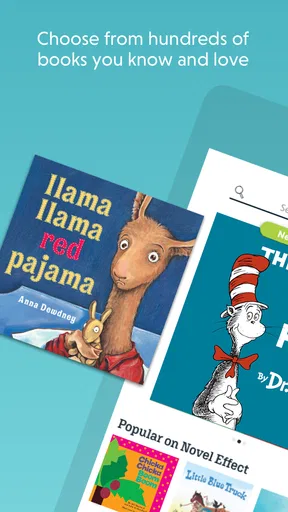
Novel Effect supports a catalog of compatible children’s books, but availability can depend on the current app catalog, region, and subscription or account options. In many cases, families use the app alongside a physical copy of a supported book, so downloading the application does not necessarily mean every story is included automatically. Check the in-app library and listing details before purchasing books.
Is Novel Effect suitable for young children and families?
The app is primarily designed for shared reading with children, especially preschool and early elementary-age audiences, although older children may also enjoy the effects. It works best when an adult or confident reader leads the story. Because the app uses a microphone and may involve account or subscription features, parents should review permissions, privacy information, and available parental controls before allowing independent use.
Does Novel Effect require an internet connection or subscription?
Internet requirements and access can vary according to the story, platform, and current version of Novel Effect. Some features or audio content may need to be downloaded or streamed, so it is wise to check connectivity before beginning a reading session. The app may also offer optional paid plans or in-app purchases, meaning users should review the latest store description and pricing before committing.


